A Documentary Story
"Where Is
Everyone?"
The legendary clap-back that defined humanitarian grit in Somalia
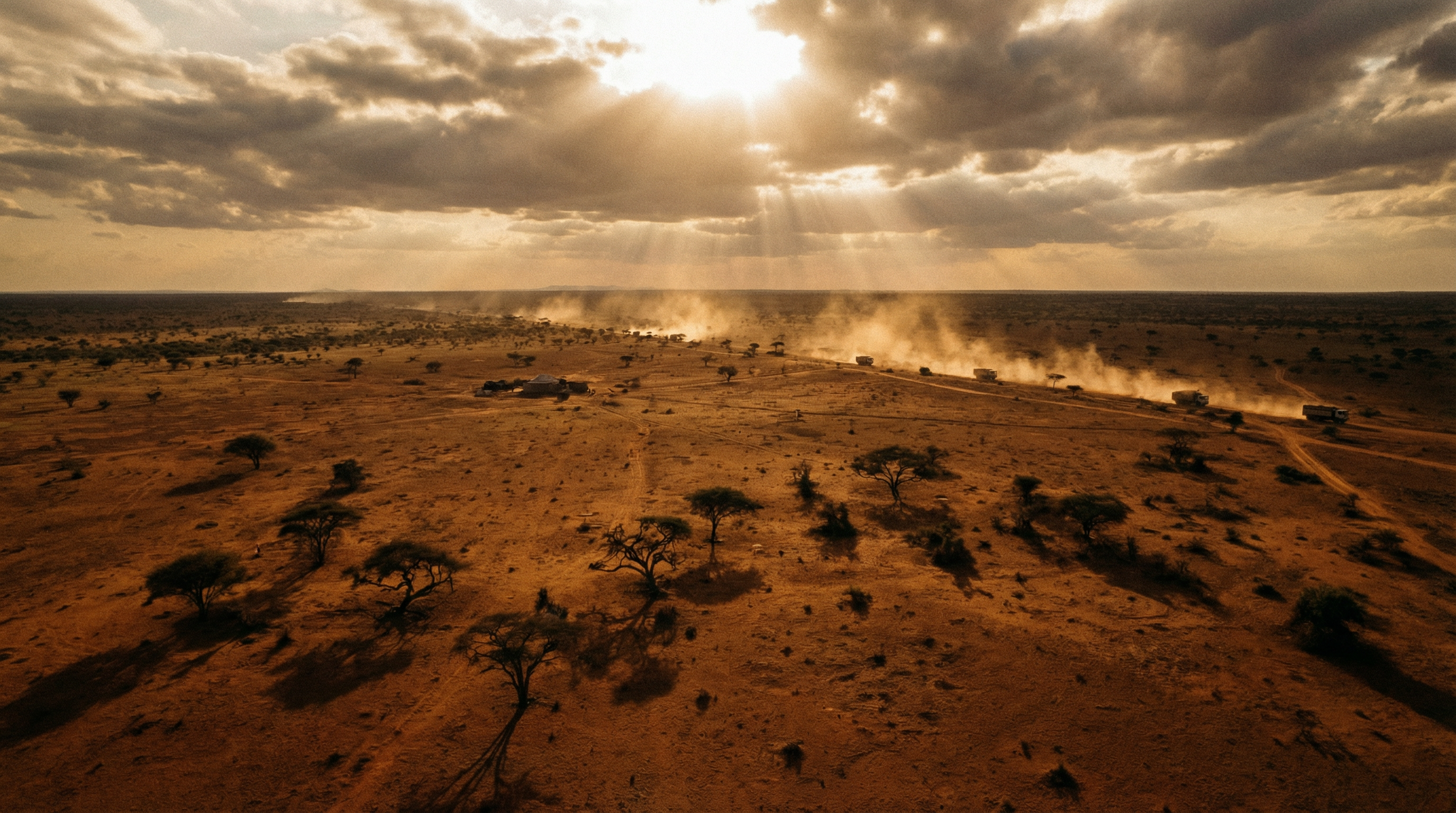
Picture this: It's 2011. Somalia is in the grip of the worst famine in decades. The UN has just dropped the F-word (famine, that is) for the first time since the early '90s. Malnutrition rates are hitting 50% in some areas. Children are dying at six times the emergency threshold. And somewhere, someone asks the question that would become legendary in humanitarian circles:
"Where is everyone?"
Now, if you've ever worked in the aid world, you know this question hits different. It's not a casual inquiry. It's an indictment. A call-out. A mic-drop moment waiting to happen.
And happen it did.
The Setup
When Everyone Left the Party
Here's the thing about Somalia in 2011 — it wasn't exactly a walk in the park. Al-Shabaab, the militant group controlling much of southern Somalia, had essentially told most international aid agencies to pack their bags.
The UN couldn't operate freely. Major NGOs had withdrawn. The security situation was, to put it mildly, spicy.
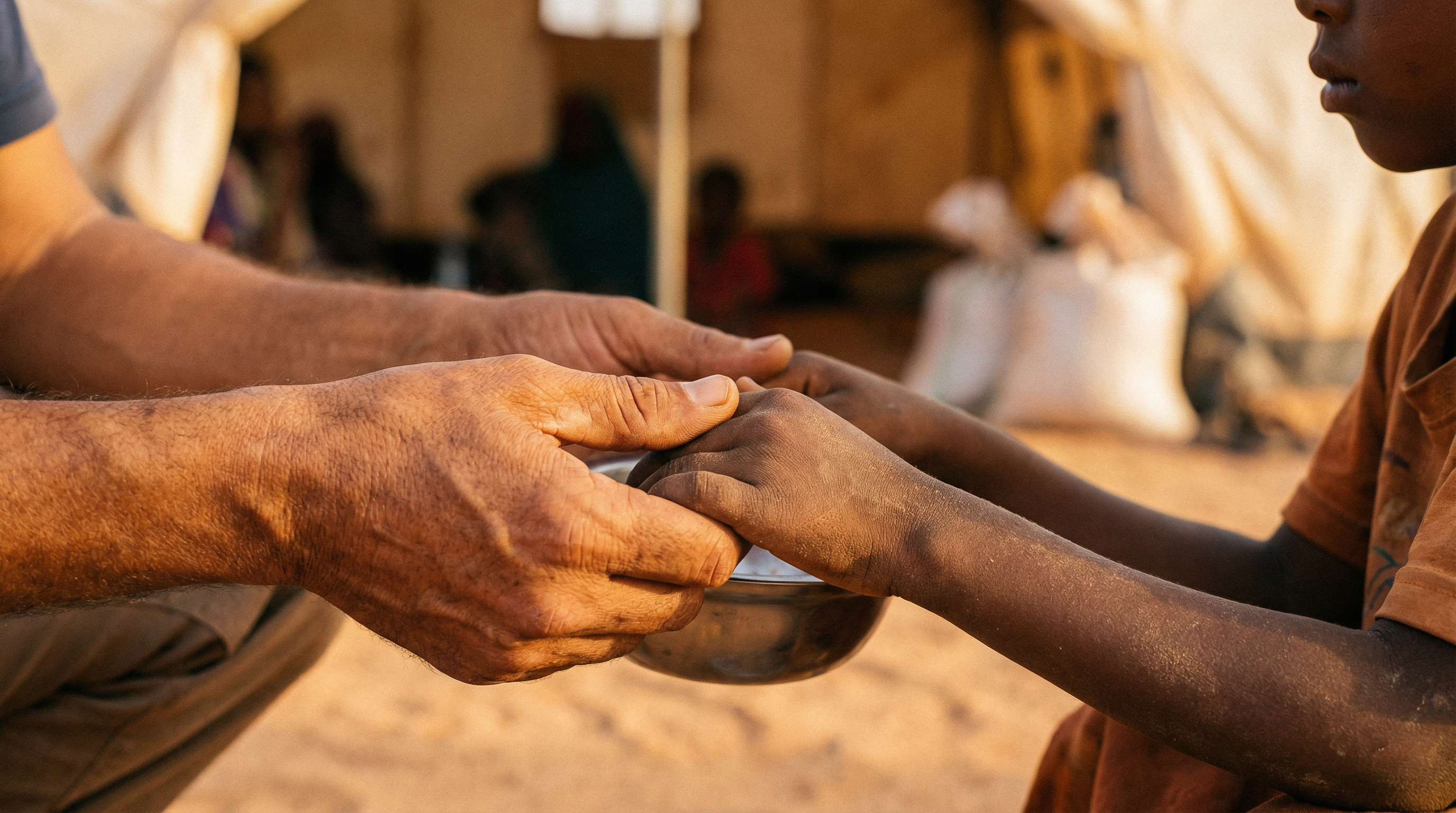
The international community was wringing its hands. Donors were asking where their money was going. And the Somali people? They were caught in the middle of a catastrophe, watching the world debate logistics while they starved.
The Plot Twist
"We're Right Here, Actually"
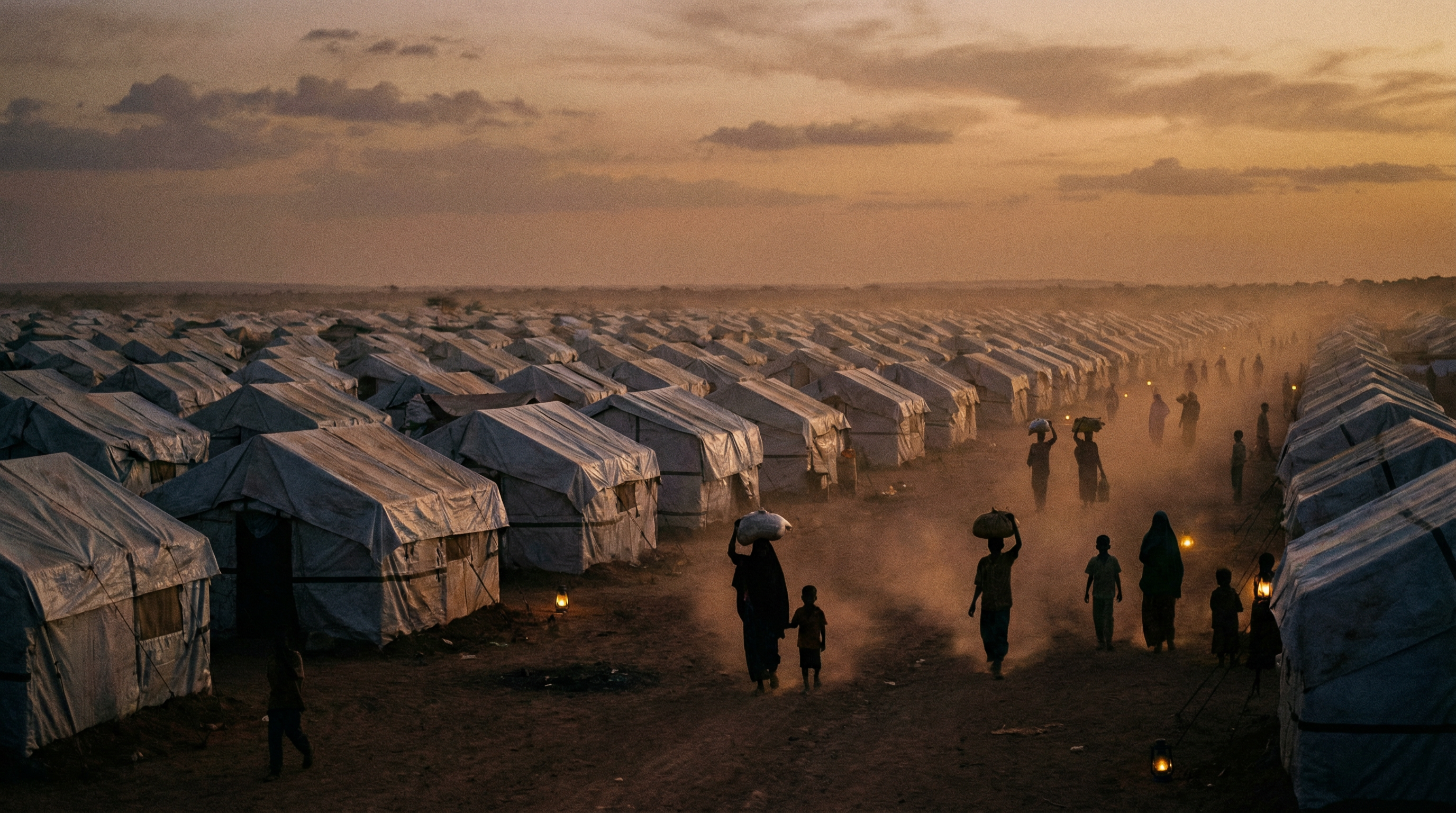
International Committee of the Red Cross
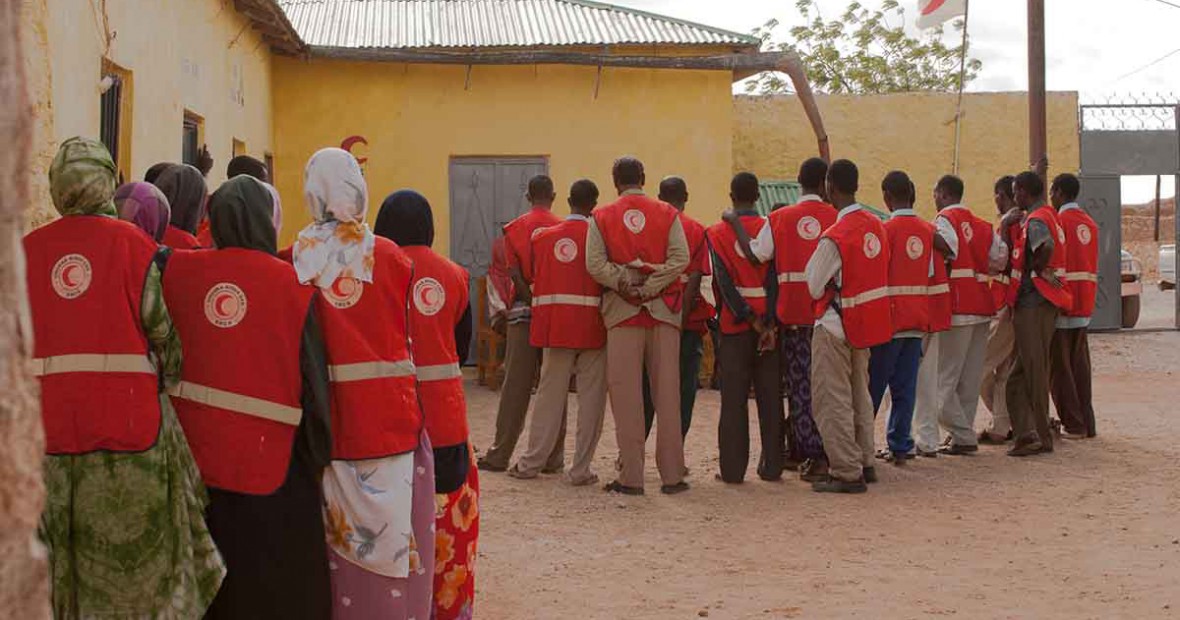
The ICRC became the only agency with the access and muscle to move large quantities of food into famine zones. They were negotiating with al-Shabaab leadership — a group described by one researcher as "nervous, unpredictable, and divided."
(Sounds like a fun negotiation, right?)
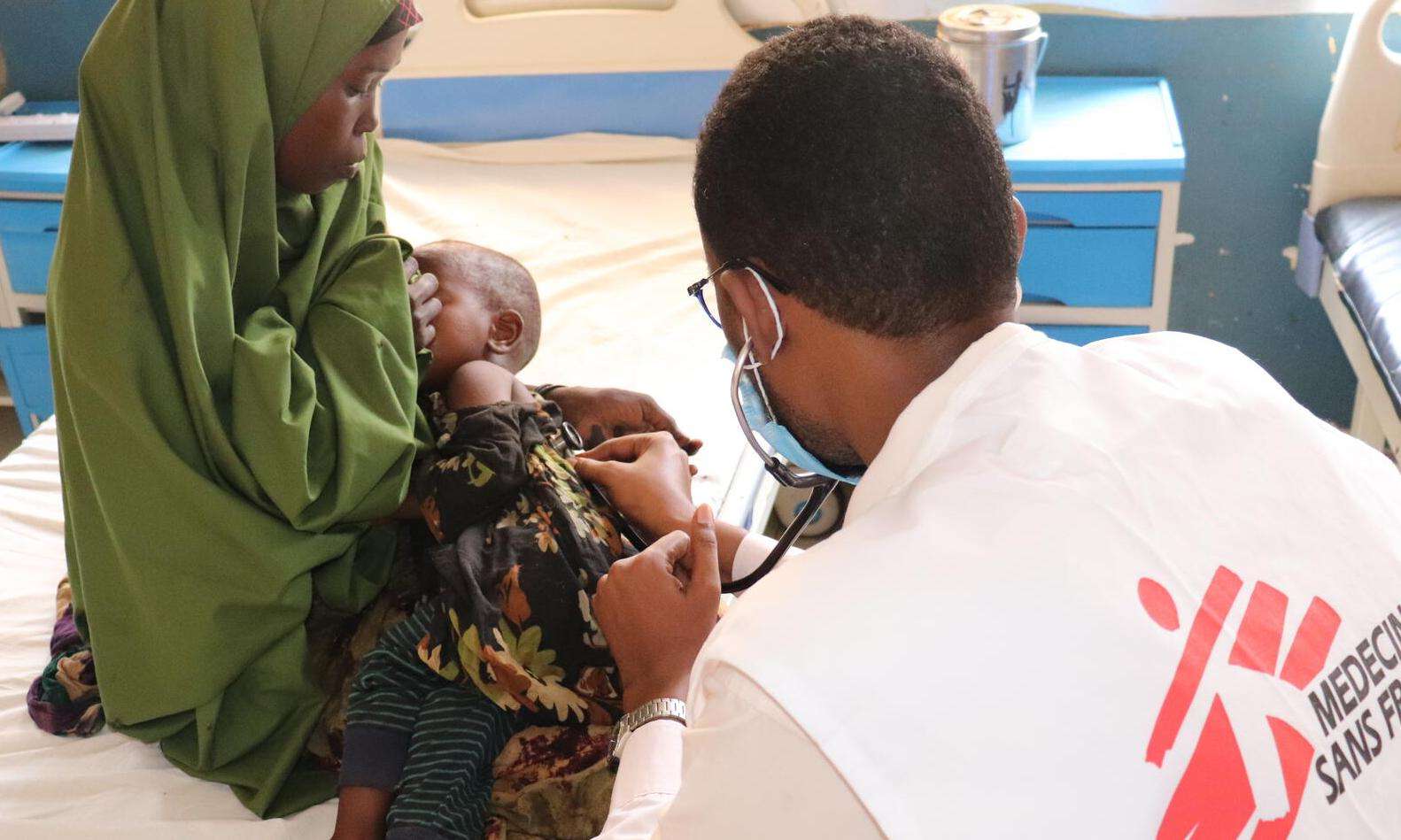
Médecins Sans Frontières
MSF was running hospitals, treating 50,000 patients a month — that's nearly 2,000 people every single day — while dodging bullets and bureaucracy in equal measure.
When al-Shabaab shut down most remaining agencies in November 2011, guess who got the VIP pass to continue? ICRC and MSF.
The ultimate "we're built different" moment.
The Headlines
That Rocked the World
The Guardian • August 14, 2013
"Médecins Sans Frontières to pull out of Somalia after 22 years"
BBC • May 2, 2013
"Somalia famine 'killed 260,000 people'"
UN News • July 20, 2011
"UN declares famine in two regions of southern Somalia"
The Price of Staying
A Heavy Cost
Let's be clear: this wasn't some feel-good story with a neat bow on top. Staying in Somalia came at an enormous cost.
MSF lost 16 staff members to violence. They resorted to hiring armed guards — something they do in no other country on Earth.
Two of their colleagues were murdered in Mogadishu in 2011; the killer was released after just three months despite a 30-year sentence. Two others were kidnapped and held captive for 21 months.
In August 2013, MSF finally made what they called "one of the most painful decisions in our history" — they pulled out after 22 years of continuous presence.
MSF is known to stay and work under the most difficult circumstances. But MSF, too, has its limits. And we have reached our limit in Somalia.Dr. Unni Karunakara, MSF International President
The Legacy
More Than a Meme
The "Where is Everyone?" moment wasn't just a social media zinger (though it would've made an excellent tweet). It became the title of a landmark MSF report published in 2014, critiquing the humanitarian system's failure to show up in the world's toughest places.
The report asked uncomfortable questions: Why do aid agencies cluster in safe zones? Why do some crises get billions while others get breadcrumbs? And most importantly — when the world's most vulnerable people need help, where is everyone?
ICRC and MSF answered that question the only way they knew how: by being there.
The Takeaway
So the next time someone asks "Where is everyone?" in a crisis, remember the story of Somalia 2011. Remember the organizations that stayed when staying meant risking everything.
Remember that sometimes, the most powerful response isn't a press release or a funding pledge — it's simply showing up.
And if you're ever in a meeting where someone questions whether humanitarian work matters, just drop this line:
"We're right here."
Sources & Further Reading
- •UN News: "UN declares famine in two regions of southern Somalia" (July 20, 2011)
- •The Guardian: "Médecins Sans Frontières to pull out of Somalia after 22 years" (August 14, 2013)
- •MSF: "Why MSF decided to leave Somalia" (August 20, 2013)
- •Oxford Academic: "Famine in Somalia, 2011–2012" by Miriam Bradley (2023)
- •MSF Report: "Where is Everyone? Responding to Emergencies in the Most Difficult Places" (2014)